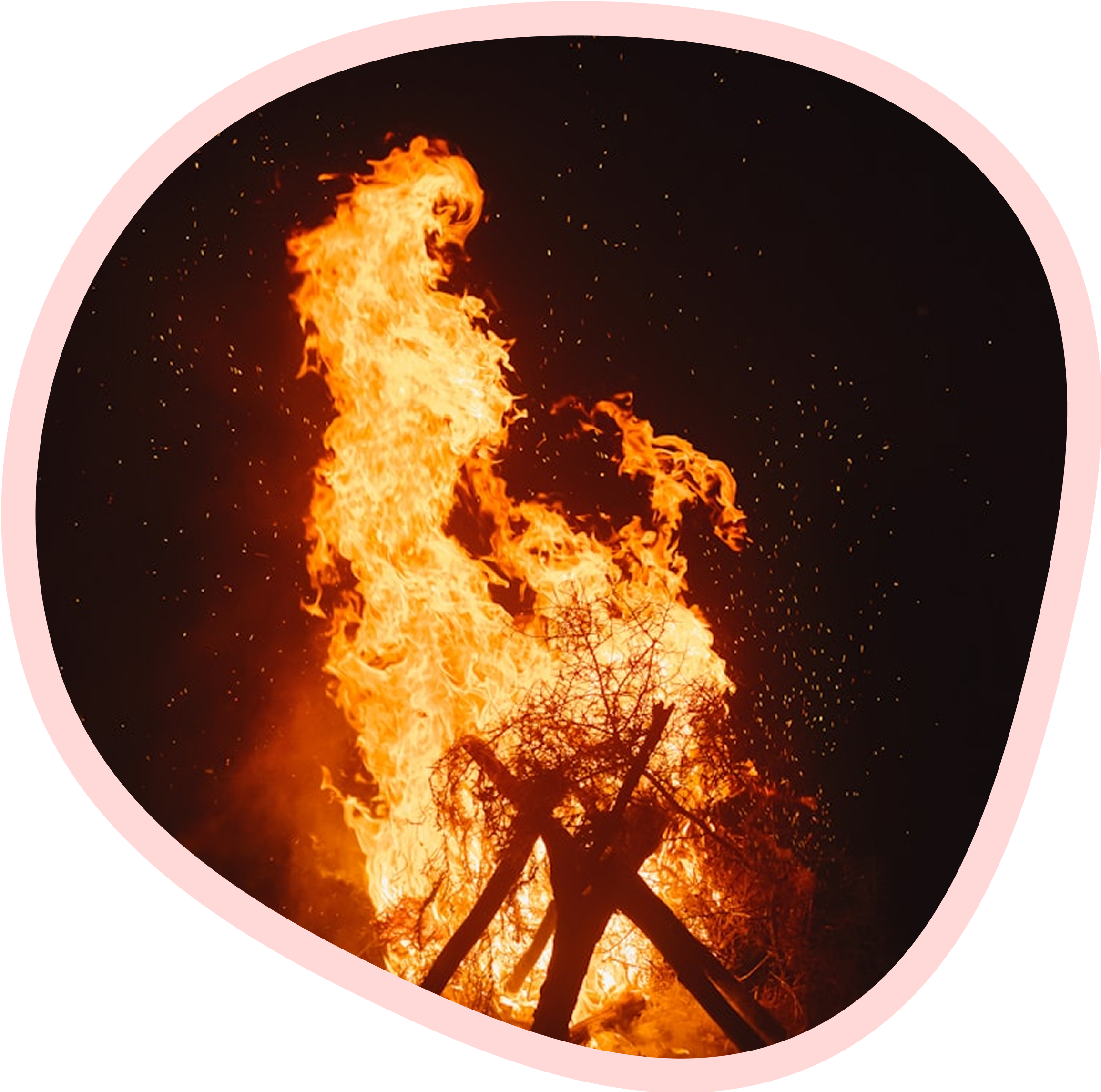
Los Angeles, known for its warm climate and scenic landscapes, faces an increasingly destructive threat: wildfires. As climate change intensifies, fire seasons have grown longer and more severe across California. While the flames themselves pose an obvious danger, it’s the less visible consequences—especially on human health—that continue to raise concern. Each fire season leaves a toxic trail of smoke, ash, and emotional trauma, especially for the most vulnerable residents of LA.
Wildfires produce a mix of harmful pollutants, the most concerning being fine particulate matter (PM2.5). These microscopic particles can travel deep into the lungs and enter the bloodstream, causing respiratory problems, cardiovascular issues, and worsening conditions like asthma, bronchitis, and chronic obstructive pulmonary disease (COPD). Even healthy individuals may experience coughing, sore throats, headaches, or burning eyes after exposure.
Beyond the Flames: The Hidden Health Crisis of LA Wildfires
The elderly, children, pregnant women, and people with preexisting health conditions are particularly at risk. Pediatricians in LA have reported more frequent visits from children experiencing difficulty breathing during fire events. Hospitals also see an uptick in emergency room visits, especially among those with asthma and heart disease. This spike not only reflects the direct physical toll of smoke exposure but also the strain placed on the healthcare system during such crises. Mental health is another underreported but critical issue. For residents who are forced to evacuate or who lose their homes, the trauma can be long-lasting. Feelings of fear, grief, and uncertainty can lead to anxiety, depression, and post-traumatic stress disorder (PTSD). Children and teens, in particular, struggle with returning to normalcy after living through the chaos of evacuations and seeing their surroundings reduced to ash.
Conclusion
Preventing and reducing the health effects of wildfires requires a combination of emergency preparedness, environmental policy, and climate action. As fires become more frequent, Los Angeles must rethink urban planning, forest management, and community health services to meet this new reality. In the meantime, residents can take steps such as monitoring air quality, using air purifiers, sealing windows during fire events, and wearing protective masks outdoors. Staying informed and proactive is key
Popular blogs
LA Needs Our Help
The recent wildfires in Los Angeles have left a devastating impact on the community, including countless animals in need..