Here’s a comprehensive list of items and expenses that generally qualify under the IRS guidelines for the Pawsitive Change Ambassador Credit Back Trust program, aimed at increasing animal welfare in the local community:
Food and Nutrition
Pet food (dry, wet, and specialty diets)
Nutritional supplements and vitamins
Veterinary Care
Routine check-ups and examinations
Vaccinations and preventive care
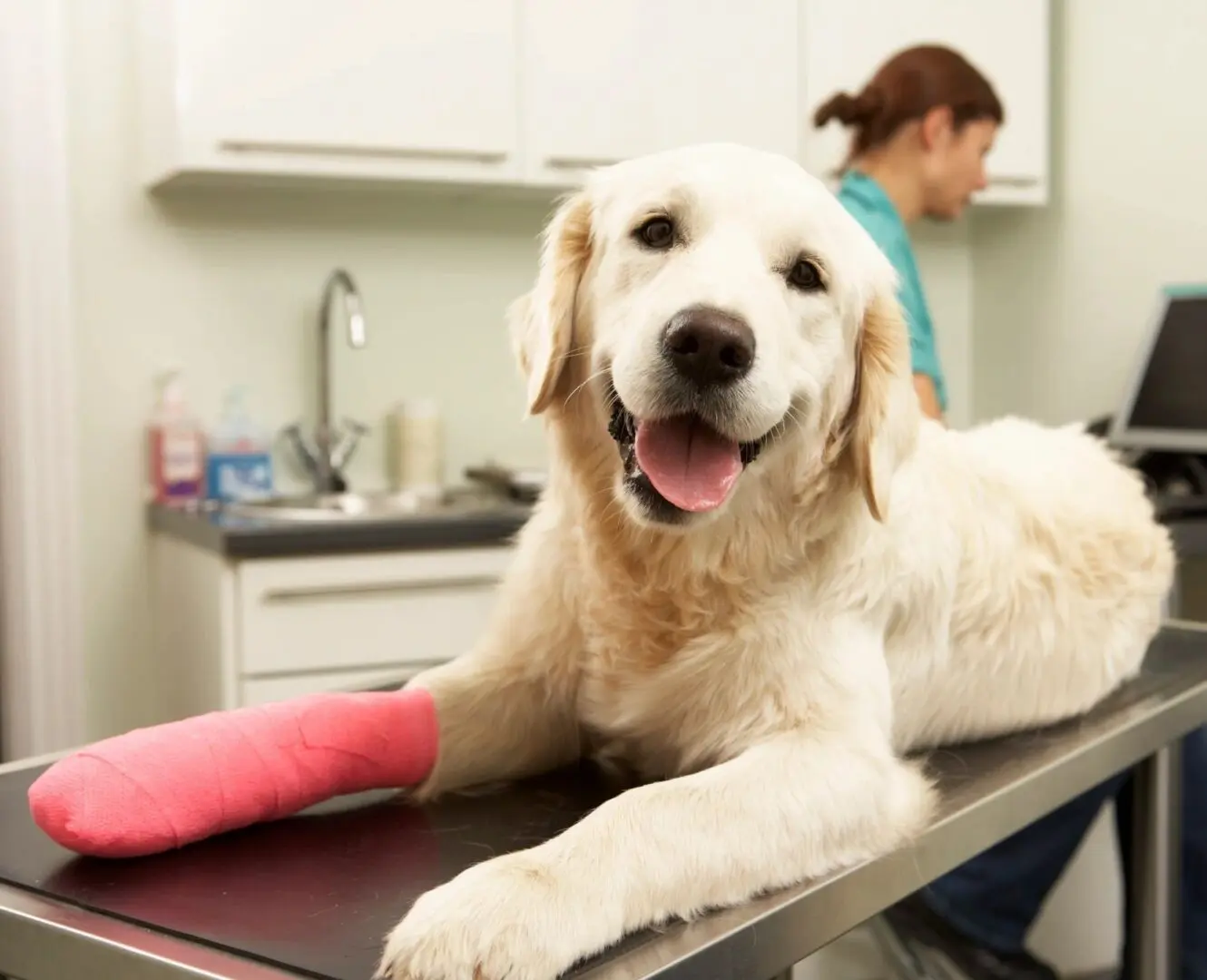
Emergency medical treatments
Spaying and neutering services
Dental care services
Grooming
Grooming services (bathing, haircuts, nail trimming)
Transportation costs to and from veterinary appointments or shelters
Adoption Fees
Fees associated with adopting a pet from a shelter or rescue organization
Community Programs
Funding for community outreach programs to promote responsible pet ownership
Costs for workshops or seminars on animal care and welfare
Emergency Care Supplies
First aid supplies for pets
Medications prescribed by a veterinarian
Rescue and Rehabilitation
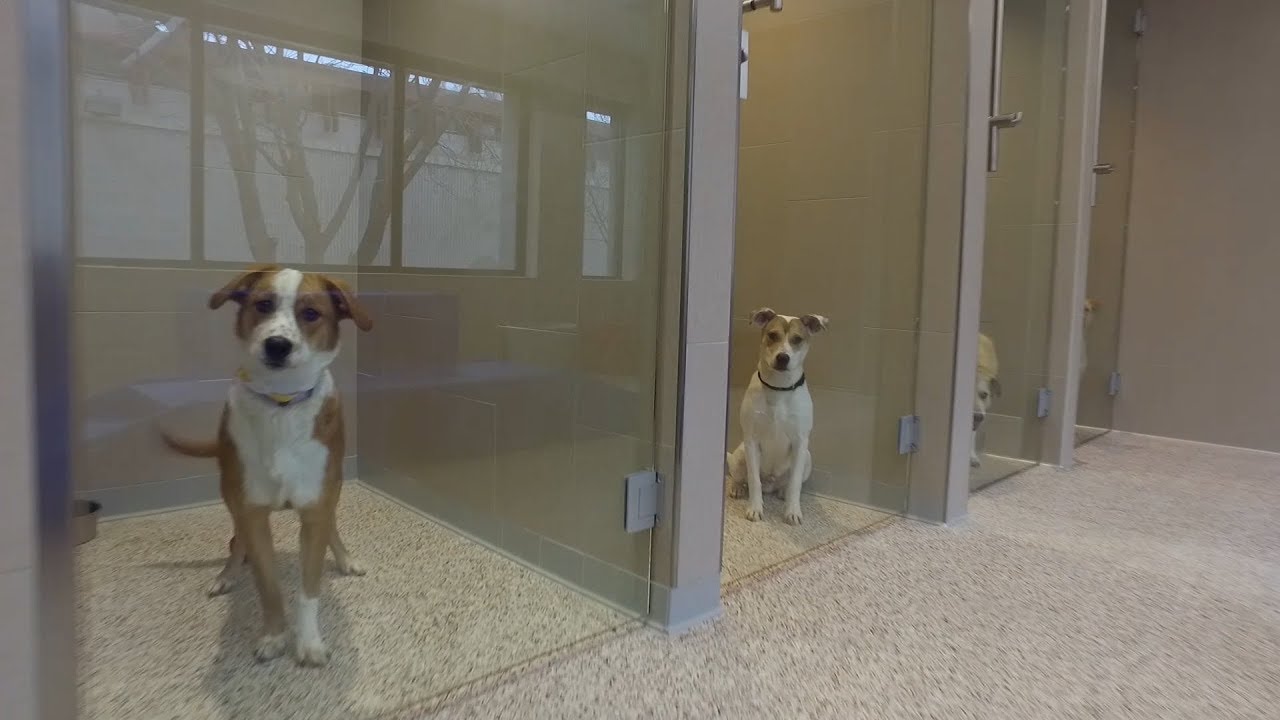
Costs associated with rescuing and rehabilitating animals in need
Microchipping
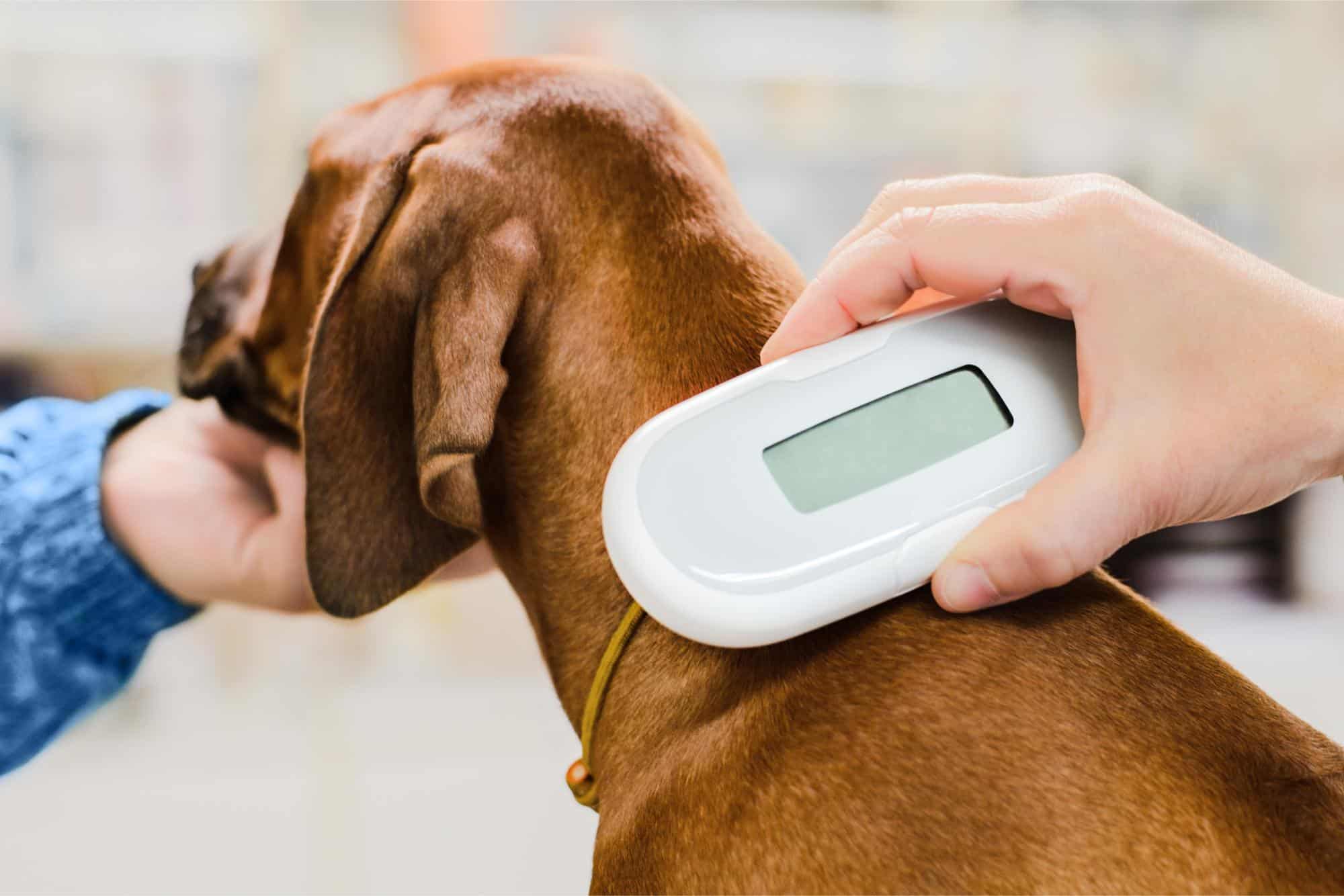
Microchip implantation for pet identification
Important Notes:
Documentation:It’s essential to maintain clear documentation and receipts for all qualifying expenses to ensure they align with the intended use of the animal welfare credit. Consultation:As always, participants should consult with a tax professional or CPA to confirm that specific expenses are eligible under IRS guidelines and to understand any potential tax implications.
This list reflects common items and services that support animal welfare and contribute to the overall health and happiness of animals in the community.